Why humidity matters.
The air inside most homes is drier than you'd think, especially in winter. Here's what that means, and how to get it right.
What humidity is
Relative humidity is how much moisture the air holds compared with the most it could hold at that temperature. Warm air holds more water than cold air, so when cold winter air is heated indoors, its relative humidity drops, often well below what feels comfortable. Air conditioning dries the air too.
The comfortable range
Mayo Clinic recommends keeping indoor humidity between 30% and 50%.1 Below that, skin can feel dry, the inside of your nose and throat can feel irritated, and lips can crack.1
More isn't better. The EPA advises against humidifying above 50%, because higher humidity can encourage mold and dust mites.2
Signs your air is too dry
- Skin that feels tight, especially after a shower
- Cracked lips
- A dry nose or scratchy throat when you wake up
- More static shocks than usual
Getting it right
- Measure. An inexpensive hygrometer shows your room's humidity at a glance.
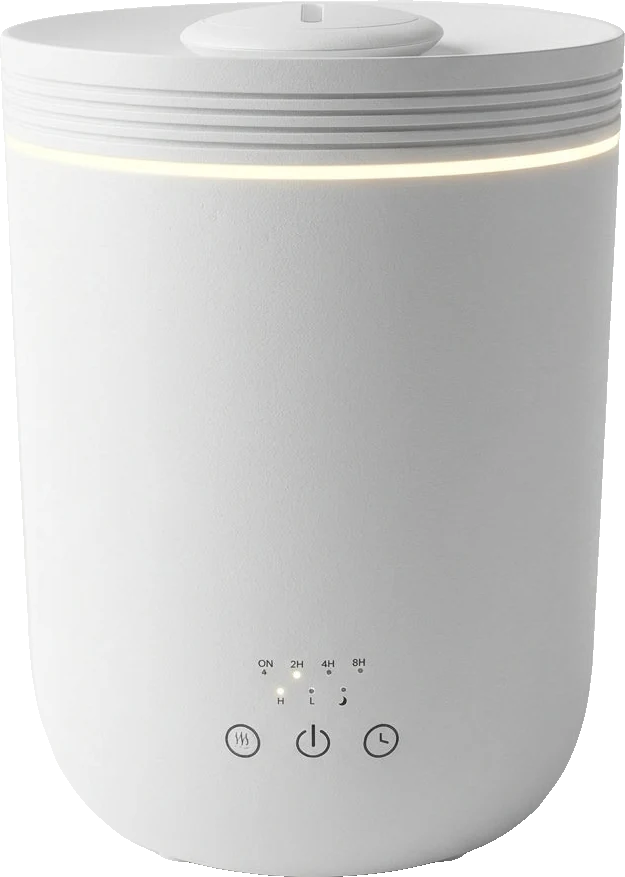
- Humidify when you need to. Run Avant on High to add moisture quickly, then switch to Low. Use Sleep overnight.
- Use the timer. Choose 2, 4 or 8 hours so Avant runs only as long as you need it.
- Keep it clean. Refill with fresh water daily, clean every third day, and use distilled water.2
Why cleaning matters
The EPA notes that ultrasonic and other cool-mist humidifiers can release minerals and microorganisms from their tanks into the air, which is why a simple care routine matters.2 Distilled water keeps minerals, the source of white dust, out of the mist. Regular cleaning stops anything growing in the tank. Our care guide takes a few minutes to follow.
Sources
- Mayo Clinic, Humidifiers: Ease skin, breathing symptoms.
- U.S. Environmental Protection Agency, Use and Care of Home Humidifiers.
This page is general information, not medical advice. Avant is not a medical device and is not intended to diagnose, treat, cure or prevent any disease.